You are the one who knows the medication schedule. You drive to the appointments, sit in the waiting rooms, and take the calls from relatives who live further away. People ask how your mother is doing. Very few ask how you are doing, and when they do, you say fine, because the real answer would take an hour and you do not have an hour.
Caregiving is love with a long, quiet grief attached to it, and most caregivers never get a place to put that grief down. Starting Monday, October 19th, we are opening one.
The grief nobody counts while it is happening
When someone you love is declining, the losses do not arrive all at once. They come one at a time, and none of them come with a card or a casserole.
The parent who no longer knows which grandchild is which. The husband who used to plan every trip and now cannot follow a conversation. The weekends that are no longer yours. The retirement, the travel, the ordinary future you assumed you would have together. Each one is a real loss. Each one is absorbed quietly, because the person is still here and there is still work to do.
This isanticipatory grief: grief that begins before a death. It is not premature and it is not giving up. It is an accurate response to losses that are already happening.
When the illness is dementia, it gets more complicated still. The person is present and absent at the same time, and there is no point at which the loss is finished. We wrote about that experience in our post ongrieving someone who is still alive.
What caregivers carry that rarely gets said out loud
In a room full of caregivers, these come up again and again. Very few people say them anywhere else.
- Exhaustion that sleep does not fix.The tiredness is physical, but it is also the weight of being on call with no end date.
- Resentment, and then guilt about the resentment.Toward siblings who do less, toward the illness, sometimes toward the person you are caring for. Resentment does not cancel love. It usually means you have been giving more than one person can give.
- Loneliness inside a full schedule.Your days are packed with people, and you can still feel completely alone in it.
- Wishing it were over, and the shame that follows.This one is common and almost never spoken. Wishing for the suffering to end, theirs and yours, is not the same as wishing the person gone.
- Losing track of yourself.Your work, your friendships, your own health appointments, all quietly postponed until "after."
- Relief, later.When caregiving ends with a death, many people feel relief alongside the grief, and then feel they have to hide it. Relief is a normal response to the end of a long strain. It says nothing about how much you loved them.
If any of those landed, you are not a bad caregiver. You are a tired one, and you have been doing this without enough support.
Why a group helps caregivers in particular
Caregivers tend to put their own care off until "after." The trouble is that after can be years away, and the grief keeps piling up in the meantime.
A group is one of the few kinds of support that fits that reality. You do not need to explain what a pill organizer at 2 AM means, or why you cried in the pharmacy parking lot. Everyone in the room already knows. You can say the resentful thing, or the relieved thing, and nobody flinches.
People who are a little further along can also tell you what actually helped them, and that tends to land differently than advice from someone who has never done it. If you have never been to a group before, our post onwhat a grief support group is actually likewalks through what happens, including the fact that nobody is made to speak.
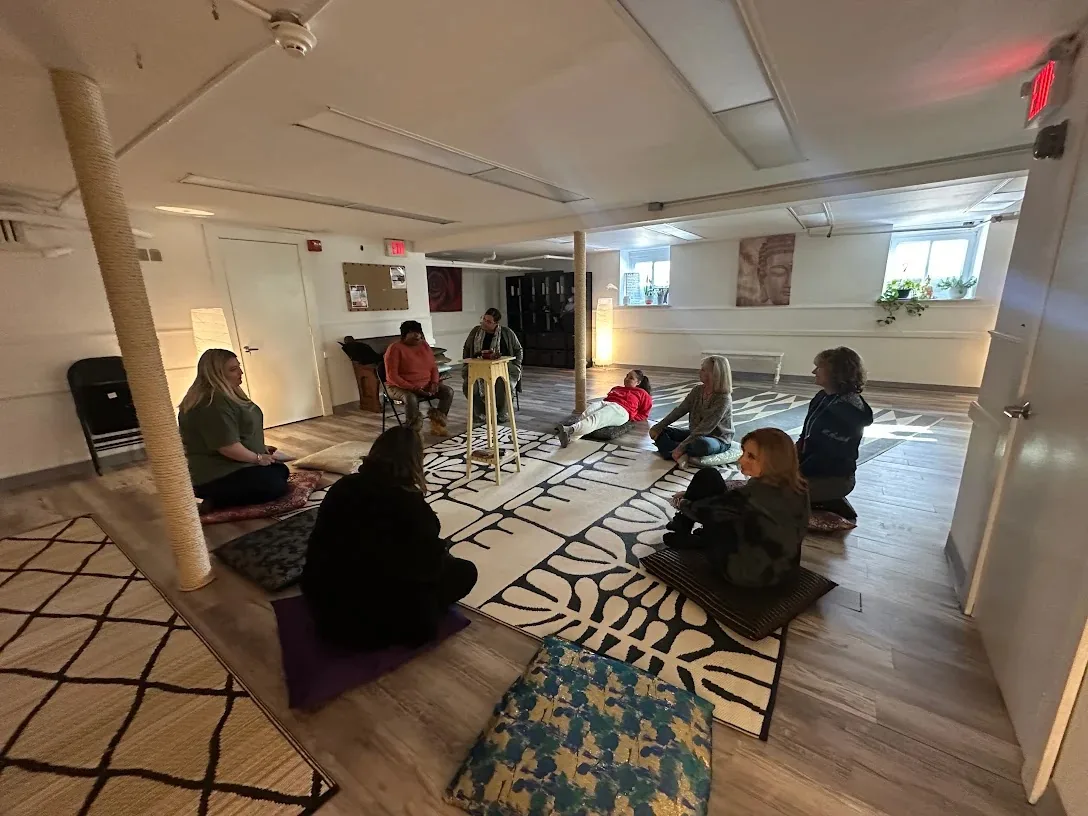
What the Caregivers Support Group looks like
- When:First meeting Monday, October 19, 6:30 to 7:30 PM.
- Where:Grief Unbound at the Center for Mind Body Balance, 96 East Allendale Road, Saddle River, NJ.
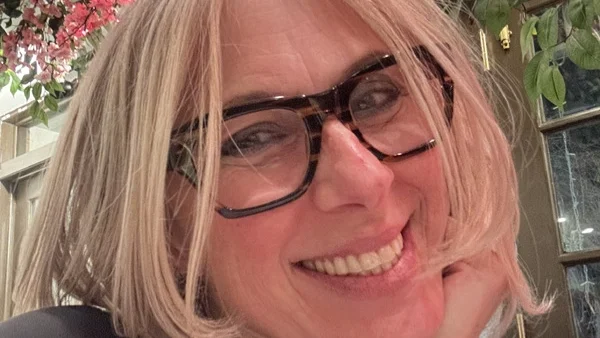
- Who leads it:Melanie Struble, LCSW, LCADC, our founder and clinical director. Melanie has more than 33 years of practice and trained as a grief specialist under David Kessler.
- Who it is for:Anyone caring for a spouse, parent, child or other loved one through illness, dementia, disability or decline, and anyone whose caregiving role has recently ended with a death.
- What you do not need:A diagnosis, a plan, or anything prepared to say. You can come and just listen.
Book your spot on our group schedule, or call(201) 708-8448if you would rather talk it through first.
If getting away for an evening feels impossible
For many caregivers, the hardest part is not deciding to come. It is finding someone to cover for an hour. Tell us that on the call. Working out a form of support you can actually get to is part of what we help with, whether that is the group, an individual session, or something else.
Caregiving also lives in the body: the tight shoulders, the shallow breathing, the sleep that never quite comes. Our sister practice, theCenter for Mind Body Balance, works with exactly that, in the same building.
For practical caregiving help beyond grief support, theFamily Caregiver Alliancehas guides on everything from respite care to difficult family conversations, and theNational Institute on Aginghas solid information for anyone caring for an older adult.
Frequently Asked Questions
Do I have to be grieving a death to join?
No. Most caregivers are grieving losses that have already happened while the person is still alive. That grief is real and it is welcome here.
The person I care for has dementia. Is this still the right group?
Yes. Dementia caregiving is one of the loneliest versions of this because the loss is ongoing and there is no clear moment when it ends. You will likely find people in the room who know exactly what that is like.
My caregiving ended a few months ago. Is this still for me?
Yes. The months after caregiving ends are often disorienting. Your days suddenly have no shape, and the grief you put off for years tends to arrive all at once. That is a good time to have a group.
Can I come once and see how it feels?
Yes. Sessions are booked one at a time, so you can come once and decide from there. Many people spend their first meeting just listening.
Start with a conversation
If you have been the one taking care of everyone else, this call is the fifteen minutes where someone takes care of you.
No charge, no obligation. Tell us what you are carrying and what your week actually looks like, and we will help you figure out whether the Caregivers Support Group, individual sessions, or something else is the right fit.
Call(201) 708-8448orbook a free 15 minute call. We see clients in person in Saddle River and across New Jersey by video.
This blog post is for informational purposes only and does not constitute professional mental health advice, diagnosis, or treatment.