
When your dog dies and a coworker says, "you can always get another one." When you lose a pregnancy at twelve weeks and the people you love forget you were even pregnant. When a parent dies after years of estrangement and you can't tell anyone you're grieving — because they remember the relationship, not your loss.
When your divorce finalizes and your friends are happy for you, but you're quietly devastated — and embarrassed to say so. When you watch a parent disappear into dementia, and the world treats them as if they've already died, even though they're still here.
These are losses. They are profound, often life-altering losses. But they are losses that society does not fully recognize, mourn, or hold space for. They are what grief researchers call disenfranchised grief — and they are some of the most painful, isolating forms of loss a person can experience.
If you have been carrying one of these losses, this guide is for you. It is the case that what you are feeling is real, that what you have lost matters, and that you do not have to navigate it alone.
What Is Disenfranchised Grief?

The term was coined in the 1980s by grief researcher Kenneth Doka, whose work has been carried forward by organizations like the Hospice Foundation of America, to describe what happens when "a person experiences a sense of loss but does not have a socially recognized right, role, or capacity to grieve."
In other words: the loss is real, but the world around you doesn't recognize it as one. Or doesn't recognize you as having the right to grieve it. Or doesn't recognize the relationship as significant enough to mourn.
Disenfranchised grief carries a double burden. There is the grief itself — already painful — and on top of it, the absence of acknowledgment. There are no casseroles. No condolence cards. No bereavement leave from work. Friends do not check in three months later. There is no permission, no ritual, no space.
It is grief in a vacuum. And vacuums make grief worse.
Common Forms of Disenfranchised Grief
Disenfranchised grief takes many shapes. Some of the most common:
Pet Loss
The death of a beloved pet is a profound loss that the broader culture often minimizes. People who say "it's just a dog" don't understand that, for many, this animal was their daily companion, their nervous system regulator, their reason for getting out of bed during a hard period of life. Pet grief deserves the same care as any other.
Pregnancy and Infant Loss
Miscarriage, stillbirth, infant death, and unsuccessful fertility journeys carry a particular kind of pain — grief for a person who was deeply real to the parents but never fully entered the world that knew them. Friends and family often don't know what to say, so they say nothing. The silence compounds the loss.
Estrangement and Complicated Relationships
Grief for a parent or sibling you were estranged from. Grief for someone who hurt you and then died — leaving no possibility of repair. Grief for a family member whose addiction took the relationship long before death. These losses are tangled, ambivalent, and often shame-soaked. They are also genuine grief.
Loss to Suicide or Overdose
The grief of these losses is often layered with stigma, blame, "what ifs," and others' avoidance of the topic. Survivors of suicide loss in particular often report feeling they cannot speak openly about their loved one's death.
Divorce and the End of Long Relationships
The end of a marriage, a long friendship, or a defining partnership is a grief — even if the choice was yours, even if it was the right thing. People often expect you to feel relief or freedom; the grief that exists alongside that is rarely acknowledged.
Career, Identity, and Dream Loss
Losing a job that was identity-defining. Losing the ability to do what you loved — an athletic injury, a chronic illness. Losing the dream of the life you thought you would have. These are real losses that the world rarely recognizes as grief.
Ambiguous Loss
A category named by family researcher Pauline Boss to describe losses where the person is physically present but psychologically gone (dementia, brain injury, addiction), or psychologically present but physically absent (a missing loved one, an estranged child). Ambiguous losses are particularly hard because they offer no closure, no ritual, no end.
Disenfranchised Collective Losses
Grief over climate change, political collapse, the loss of a community, generational trauma. These are real and increasingly common.
Why Disenfranchised Grief Hurts More — And What Actually Helps
Several mechanisms make disenfranchised grief harder than recognized grief:
- The absence of ritual. Funerals, condolence cards, religious observances, bereavement leave — these structures exist precisely because grief is unbearable to navigate without them. When the loss is unrecognized, none of these supports activate.
- Internalized doubt. When the world doesn't acknowledge your loss, you start to doubt whether your own grief is "valid." This creates a second layer of suffering — grief about your grief.
- Isolation. Recognized grief brings community. Disenfranchised grief often pushes people further into isolation, which is one of the most reliable predictors of complicated grief outcomes.
- Suppressed emotion. When grief cannot be expressed openly, it tends to come out sideways — through depression, anxiety, physical illness, anger, addiction, or withdrawal.
- No timeline. Recognized grief carries (imperfect) social timelines. Disenfranchised grief often persists for years because there is never a moment of public closure.
What Doesn't Help
People who love you, even with the best intentions, often respond to disenfranchised grief in ways that deepen the pain:
- "At least it wasn't a real person" (pet loss)
- "You can always have another" (pregnancy loss, pet loss)
- "It's been months — you should be over it"
- "Aren't you relieved?" (death of a difficult relationship)
- "You wanted this divorce" (relationship grief)
- "He's still here" (dementia / ambiguous loss)
- Changing the subject when you bring it up
- Avoiding the topic entirely
These responses aren't always malicious. They are often expressions of the speaker's own discomfort. But they teach the griever that the loss is not safe to share — and that lesson, repeated, becomes its own injury.
What Does Help
The single most important thing for disenfranchised grief is having the loss recognized. This is why specialized grief support — particularly community-based support among others who understand — is so often transformative.
- Being witnessed. Even one person who fully receives the reality of the loss can change the trajectory of the grief.
- Naming the loss. Saying out loud, "This was real. This mattered. I am grieving." Sometimes this takes professional support to even articulate.
- Creating ritual. Even when the world doesn't, you can. A small ceremony. A piece of jewelry. An anniversary acknowledgement. The brain and nervous system respond to ritual.
- Connecting with others who share this kind of loss. Pet loss groups. Pregnancy loss communities. Estrangement support. Divorce groups. For child loss specifically, organizations like The Compassionate Friends offer national community alongside local clinical support. These spaces carry a particular kind of medicine.
- Working with a grief specialist. Therapists who specialize in grief understand disenfranchised grief and don't require your loss to fit a recognized template.
- Time, with support. Disenfranchised grief that is held tends to soften. Disenfranchised grief that is hidden tends to harden.
Frequently Asked Questions About Disenfranchised Grief
What is disenfranchised grief?
The term was coined in the 1980s by grief researcher Kenneth Doka to describe grief for a loss that society does not formally acknowledge. The griever has no recognized right, role, or ritual to mourn — leaving them without condolence, structure, or social permission to grieve. Pet loss, pregnancy loss, estrangement, and divorce are among the most common examples.
Why is disenfranchised grief harder than recognized grief?
Disenfranchised grief carries a double burden: the pain of the loss itself, plus the absence of acknowledgment. Without ritual, community, or social permission, grief turns inward. The griever often begins to doubt whether their loss "counts," creating a second layer of suffering — grief about the grief — that recognized loss does not typically produce.
What actually helps with disenfranchised grief?
The most powerful intervention is having the loss named and fully witnessed — by a grief specialist, a peer support group, or even one trusted person who receives the reality of what you have lost. Creating personal rituals, connecting with others who share the same type of loss, and working with a therapist trained in grief are all evidence-supported approaches that help disenfranchised grief move rather than harden.
How Grief Unbound Holds the Losses the World Overlooks
At Grief Unbound, every loss is honored equally. There is no hierarchy. Pet loss, pregnancy loss, divorce, estrangement, ambiguous loss, identity loss — all are welcomed with the same skill and care as the loss of a parent or spouse. We do not require you to justify your grief.
Our team includes specialists who have lived through disenfranchised loss themselves. Eileen Alexander, one of our Reiki Masters and grief coaches, came to this work after the loss of her own daughter — over fifteen years of holding others' grief grew out of her own. Our founder, Melanie Struble, LCSW, trained directly under grief specialist David Kessler and brings 33+ years of experience holding the kinds of grief that other providers don't always recognize.
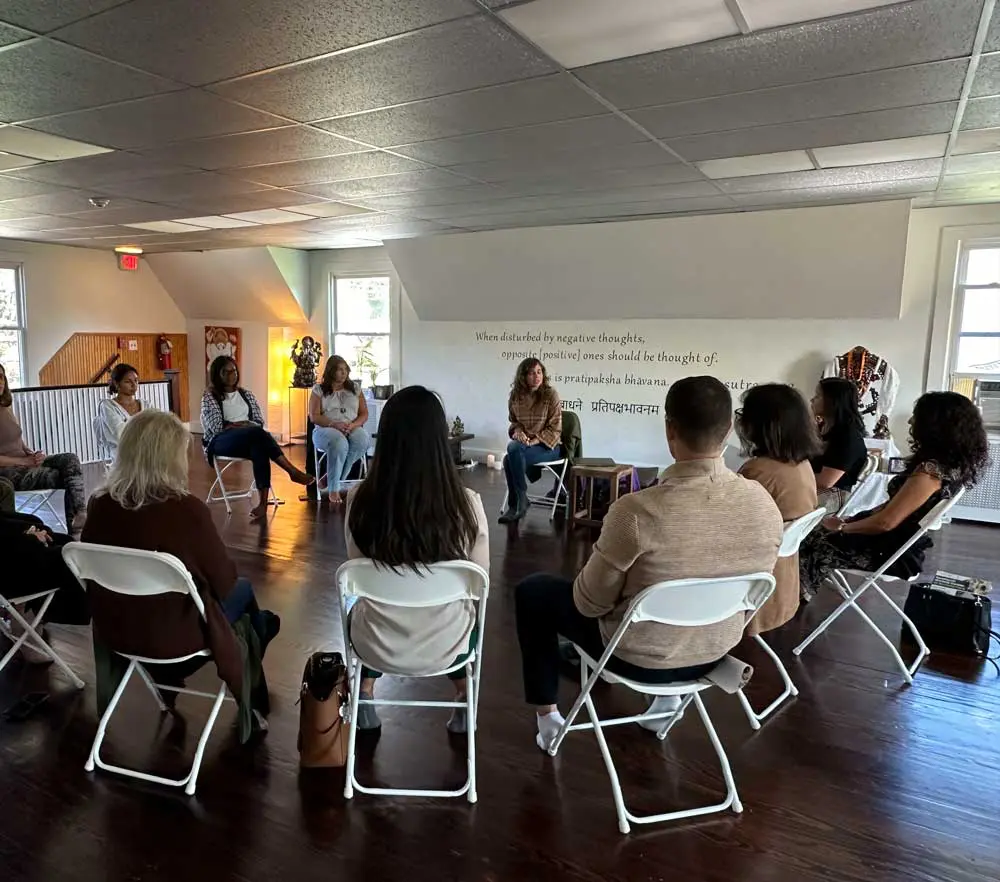
We also offer grief support groups that are specifically inclusive of disenfranchised loss. You will not be the only person in the room grieving a pet, a pregnancy, a divorce, an estrangement, or an identity. The recognition itself begins the healing.
For disenfranchised grief especially, group support is often more powerful than one-on-one work. In a group, your loss is recognized not just by a clinician but by peers who carry their own version of unrecognized loss. The whole room becomes a witness. If you have been hesitant about groups, our companion guide on what a grief support group is actually like walks through exactly what to expect.
Because the supports that normally surround grief are absent, disenfranchised grief is at higher risk of becoming complicated grief — grief that lasts longer than a year, intensifies rather than easing, or interferes with daily functioning. Our companion guide on complicated grief and prolonged grief disorder goes into that distinction in depth. And if your grief began before the loss itself — as it does for dementia caregivers and families of the terminally ill — our guide on anticipatory grief speaks directly to that experience.
The first step is small: a free 15-minute discovery call. It is a conversation, not an intake. You tell us what you are carrying. We listen. We help you figure out whether a group, individual support, or another approach makes the most sense for your particular grief.
You don't have to explain why your loss "counts." It counts here.
- Call (201) 708-8448
- Or book your free discovery call
We are based at 96 Allendale Road, Saddle River, NJ — the historic home of the Center for Mind Body Balance, where Grief Unbound is rooted. We serve all of Bergen County and offer secure telehealth across New Jersey. All losses are welcome. Always.